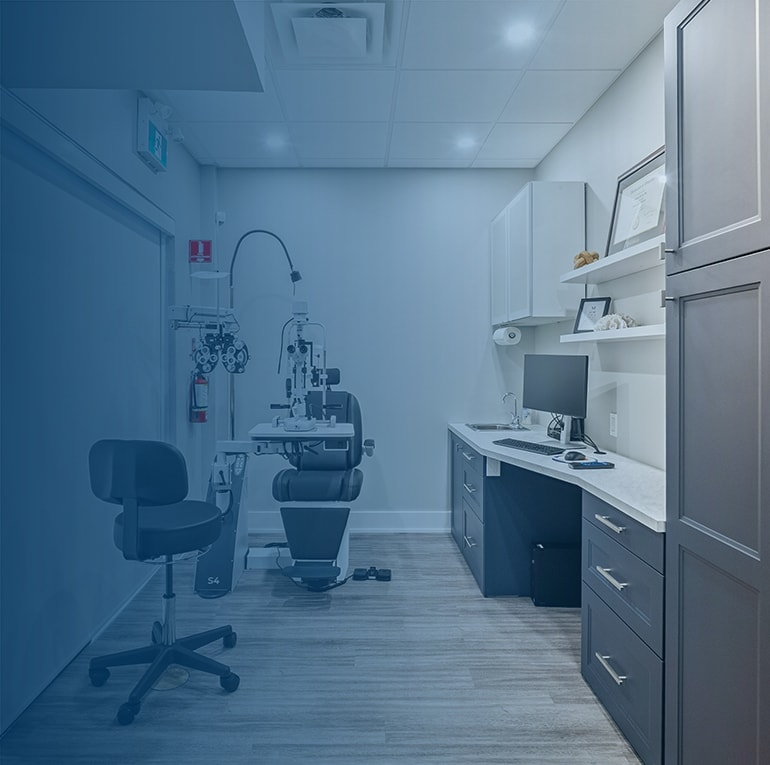
Comprehensive Risk Management for Your Eyes
Eye diseases and conditions are more common than you might think. An estimated 5.59 million Canadians already have eye diseases that significantly increase their risk of vision loss.
Many eye diseases have effects that cannot be reversed, including partial or complete vision loss. However, most eye diseases can be managed or treated if detected early enough.
The strongest protection against eye disease is routine monitoring and early detection. Comprehensive eye exams can help us catch these conditions and prevent them from severely affecting your life. Be proactive about your eye health by booking a comprehensive exam today.
Book Appointment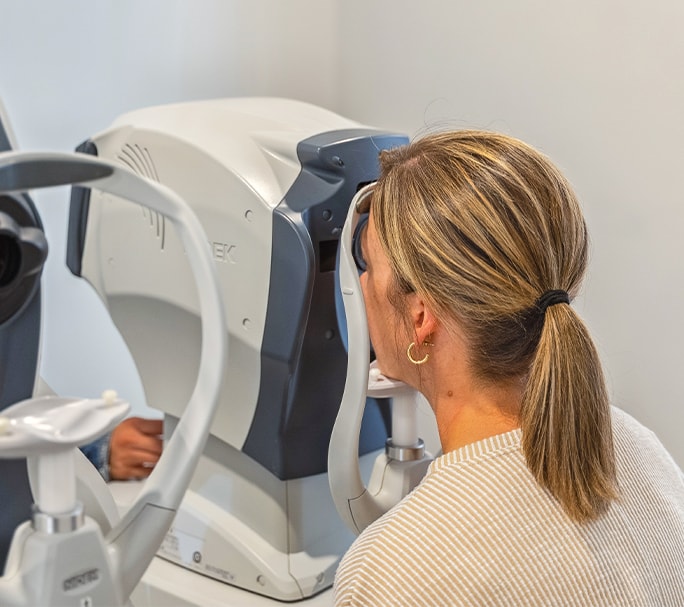
Technology for Early Detection
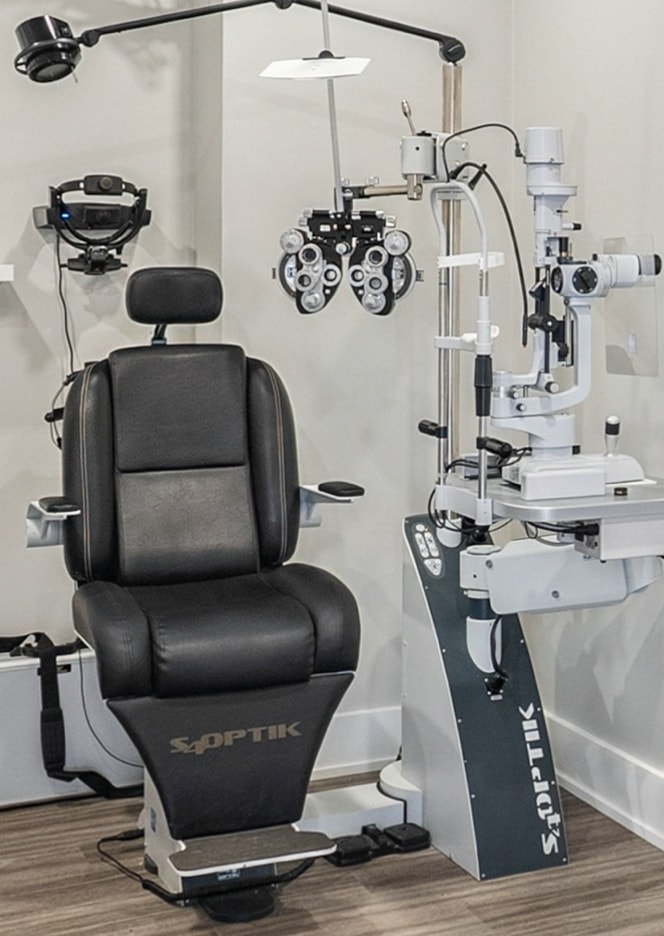
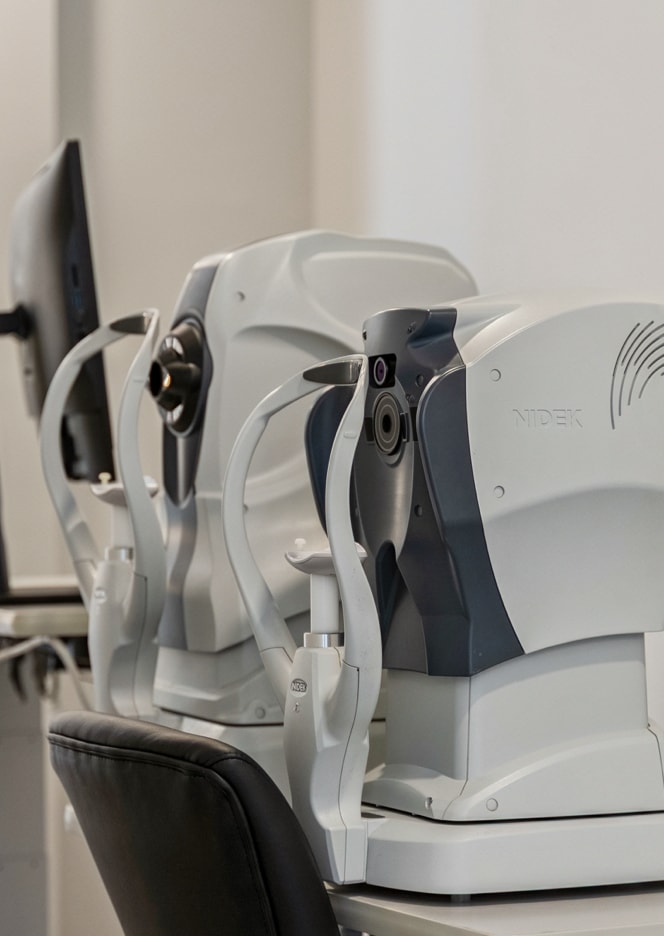
As part of our comprehensive eye exams, we use diagnostic technology to monitor your eye health and track changes. This technology enhances our ability to catch early signs of eye disease.
This includes OCT scans, which use light waves to map the layers of your retina (light-sensitive tissue that lines the inside of your eye); fundus photography, which captures an image of your retina and blood vessels; and visual field testing, which measures your peripheral (side) vision.
Common Eye Diseases We Help Manage
Eye diseases can range from serious, vision-threatening conditions to more common occurrences like conjunctivitis (pink eye) or dry eye disease. No matter what condition you’re experiencing, an evaluation and consultation with your optometrist can help you receive the right diagnosis and treatment plan.
At Bronte Village Eye Care, we prioritize a preventive and proactive approach to your eye health. From thorough screenings using our diagnostic technology to compassionate care and detailed education, we’ll be with you every step of the way. Whether you’ve been diagnosed with an eye condition or you’re simply attending routine eye exams, we will work with you to maintain your eye health and vision for years to come.
Learn more about the eye conditions we diagnose, monitor, and manage.
Age-related macular degeneration (AMD) is a common cause of blindness in people over the age of 55. There are 2 types of AMD: dry and wet. Dry AMD accounts for about 90% of AMD cases and occurs when the macula—part of the eye responsible for central vision—begins to deteriorate.
AMD can affect many everyday tasks that depend on central vision, such as reading, driving, and recognizing other people’s faces. If left unmanaged, it can eventually lead to central vision loss.
While the cause of AMD is still unknown, various factors increase the risk of developing it, including age, smoking, extensive UV exposure, and a family history of AMD.
AMD often does not present symptoms before vision loss begins, so regular comprehensive eye exams are one of the best ways to detect it early and protect your eyesight.
If you are diagnosed with dry AMD, we offer a treatment called MacuMira. This innovative treatment technology uses microcurrent stimulation to treat AMD and improve vision and contrast sensitivity lost to AMD.
Glaucoma is a serious eye disease and one of the leading causes of blindness in Canada, affecting more than 450,000 Canadians.
Glaucoma refers to a group of eye conditions that damage the optic nerve and impair vision. The most common type is open-angle glaucoma, which occurs when pressure builds up inside the eye and damages the optic nerve. Glaucoma initially causes loss of peripheral (side) vision, but can lead to complete blindness if left unmanaged.
Most people with glaucoma do not notice any symptoms until vision loss begins, and treatments cannot restore vision damaged by glaucoma. However, eye doctors can use numerous techniques, such as medication to lower eye pressure and help prevent sight loss before it occurs.
The earlier glaucoma is detected, the faster and more effectively eye doctors can manage it. Setting up regular eye exams with your eye doctor is one of the best ways to catch glaucoma in its early stages.
Complications of diabetic eye disease are some of the leading causes of blindness for Canadians. Having diabetes can increase a person’s risk of diabetic retinopathy, diabetic macular edema, glaucoma, cataracts, and other diseases.
Regular eye exams can help identify diabetic eye diseases in their earliest stages and are the only way to detect these diseases before they have severe consequences. Eye exams are vital for maintaining eye health and strong vision in people with diabetes.
Cataracts develop when the natural lens of the eye becomes cloudy, obscuring clarity and dulling the vibrancy of a person’s vision. Most people will eventually develop cataracts as they age, although they can be caused by UV exposure, systemic health issues, and other factors.
Once your optometrist diagnoses your cataracts, they may refer you to an ophthalmologist who can surgically remove the cataract. At Bronte Village Eye Care, we offer cataract surgery co-management alongside the ophthalmologist who performs the procedure. We help you prepare for and heal from the surgery.
If you suspect you are developing cataracts, please see us as soon as possible for a professionally led treatment program.
Conjunctivitis, commonly known as “pink eye,” occurs when the thin layer of tissue that covers the white of the eye, known as the conjunctiva, becomes inflamed. Many factors can cause conjunctivitis, including bacteria, viruses, and allergies.
- Bacterial conjunctivitis often causes the eyes to discharge yellow or green fluid, making a person’s eyelids stick together in the morning and “glue” their eyes closed. Bacterial conjunctivitis is contagious.
- Viral conjunctivitis can cause white or yellow discharge and may also cause photophobia (increased light sensitivity). Viral conjunctivitis is easily transmitted by coughing or sneezing.
- Allergic conjunctivitis often causes the eyes to water, as well as an itching or burning sensation. It may also bring other cold-like symptoms, such as a runny or stuffy nose, but it’s brought on by an allergic reaction and is non-contagious.
- Chemical conjunctivitis is a non-contagious form of conjunctivitis caused by exposure to chemicals. Chemical conjunctivitis can be an eye emergency, so it’s vital to see an eye doctor immediately if you get chemicals in your eyes.
It’s essential to have an eye doctor diagnose the type of conjunctivitis you have because different types require different treatments. Book an appointment with us if you think you have conjunctivitis so that we can help determine your options.
Dry eye, or ocular surface disease (OSD), refers to a group of conditions that affect the tear film and leave your eyes feeling gritty, scratchy, and irritated. Left untreated, dry eye can cause damage to the surface of your eye from improper lubrication.
Dry eye has a variety of causes, including meibomian gland dysfunction (MGD), blepharitis, and Demodex, as well as aging, autoimmune conditions, and side effects of some medications.
Because the symptoms and causes can vary significantly, it’s important to visit your optometrist for an evaluation of your eyes and tear film. This can help pinpoint the root cause of your discomfort and match you with an effective treatment plan.
Protecting Your Eye Health and Vision
Preventing eye diseases and conditions begins with monitoring your eye health and following healthy habits. Eating healthy, protecting your eyes from UV rays, and preventing or managing existing health conditions, such as diabetes and heart disease, can all help to maintain your eye health. If you have any questions about ways to support healthy eyes for you and your family, ask us during your next appointment.
Your sight is precious. Let us help you protect it from asymptomatic eye diseases like glaucoma, AMD, and diabetic retinopathy. Book a comprehensive eye exam today.
Book Appointment


Come Visit Us
in Oakville
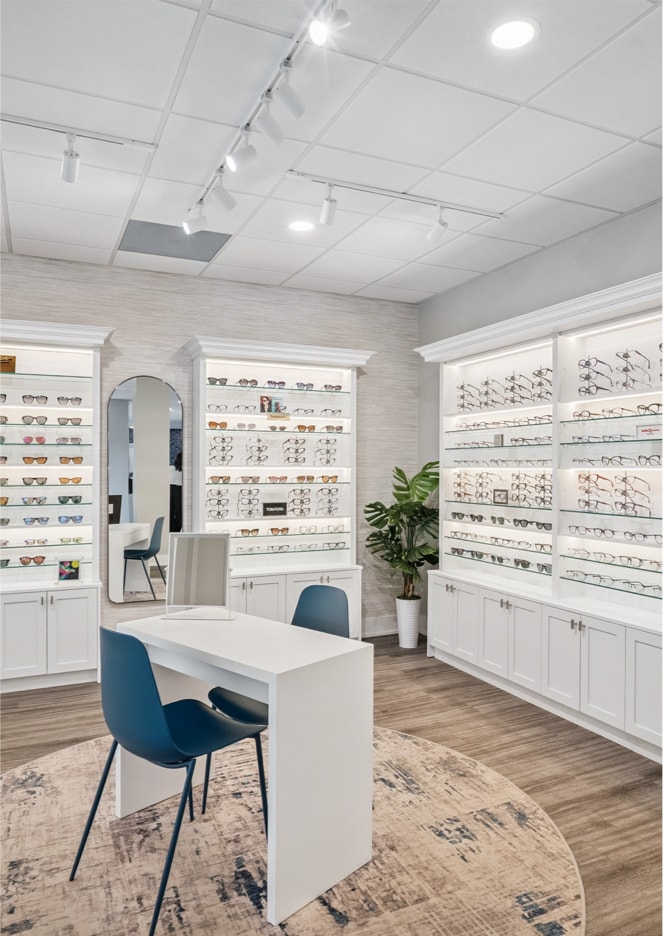



Our Address
- 2425 Marine Drive
- Oakville, ON L6L 1C6
Contact information
- Phone: 905-827-3937
- Fax: 905-827-8161
- Email: frontdesk@bvec.ca
Hours of Operation

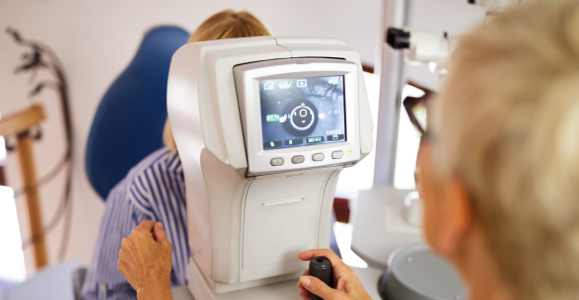
Eye Care Powered by Our Technology

See Our Google Reviews






About Us
Specialty Eye Exams
Eyewear
Visit Us
- 2425 Marine Drive
- Oakville, ON L6L 1C6
- Phone: 905-827-3937
- Fax: 905-827-8161
- Email: frontdesk@bvec.ca